
Our Free Image Editor
JPG History: Who Created JPEG, and Why It Became the Photo Format
JPG looks like an ordinary file extension, but its history has two tracks: the mathematics of image compression, and the standards work that made the method readable by cameras, browsers, and editing software.
So the question “who invented JPG?” needs a careful answer. The key DCT idea came from Nasir Ahmed and his coauthors, the JPEG standard was created by the Joint Photographic Experts Group, and the `.jpg` extension became familiar through years of use on computers, cameras, and the web.
1. Before JPG, photos were too large
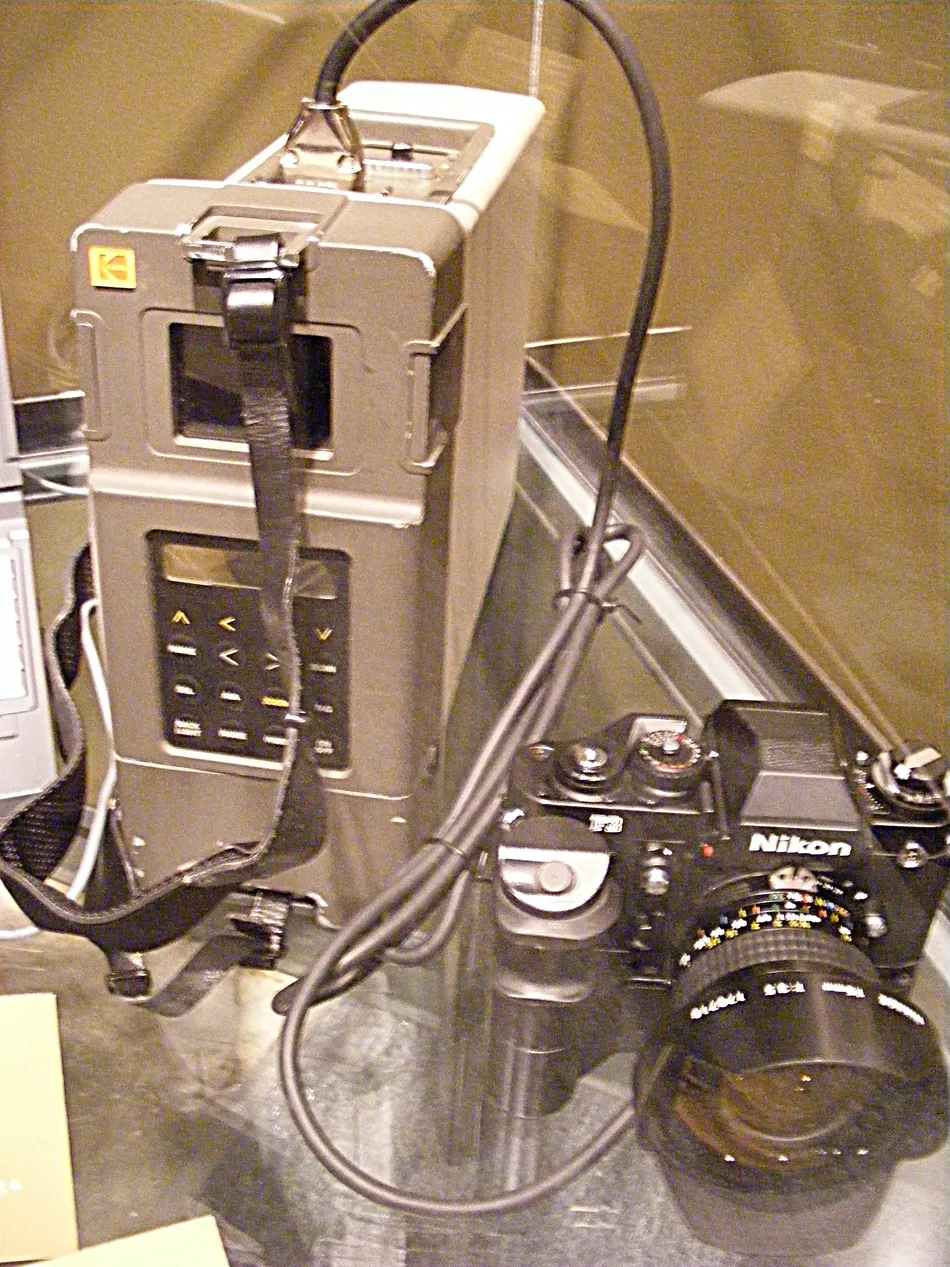
A photograph is different from an icon. Photos contain continuous changes in color, light, and texture, and saving every value directly makes files grow quickly. Early digital cameras, discs, modems, and personal computers all faced the same problem: images had to look good enough while still being small enough to store and send.
JPEG was not designed to preserve every original pixel. It was designed to keep the visible impression of a photo while reducing the file to a practical size. That is why JPG works well for photos and web images, but poorly for transparency, crisp line art, or design source files that need repeated editing.
2. The key math was DCT, not JPG
In 1974, Nasir Ahmed, T. Natarajan, and K. R. Rao published the discrete cosine transform, or DCT. It converts brightness changes inside an image block into frequency values: low frequencies usually describe broad tone and color, while high frequencies describe fine texture and edges.
That mattered for photo compression because human vision is less sensitive to some fine detail. A compressor can preserve more of the important low-frequency information while reducing detail that is harder to notice. Strictly speaking, DCT is not JPG itself, but without it, the most common JPEG compression method would not have become so efficient.

3. JPEG was the work of a standards group
JPEG stands for Joint Photographic Experts Group. It was not a private format released by one software company. It was an image coding standard developed through cooperation between ISO/IEC and telecommunications standards bodies.
JPEG’s own overview traces the JPEG 1 standardization process to 1986 and says ISO/IEC 10918 was created in 1992, with a later 1994 version. The ITU-T T.81 text was also approved in 1992 and corresponds to ISO/IEC 10918-1. In other words, JPG became widespread because many vendors could implement a shared standard.
4. Why JPEG compression was invented
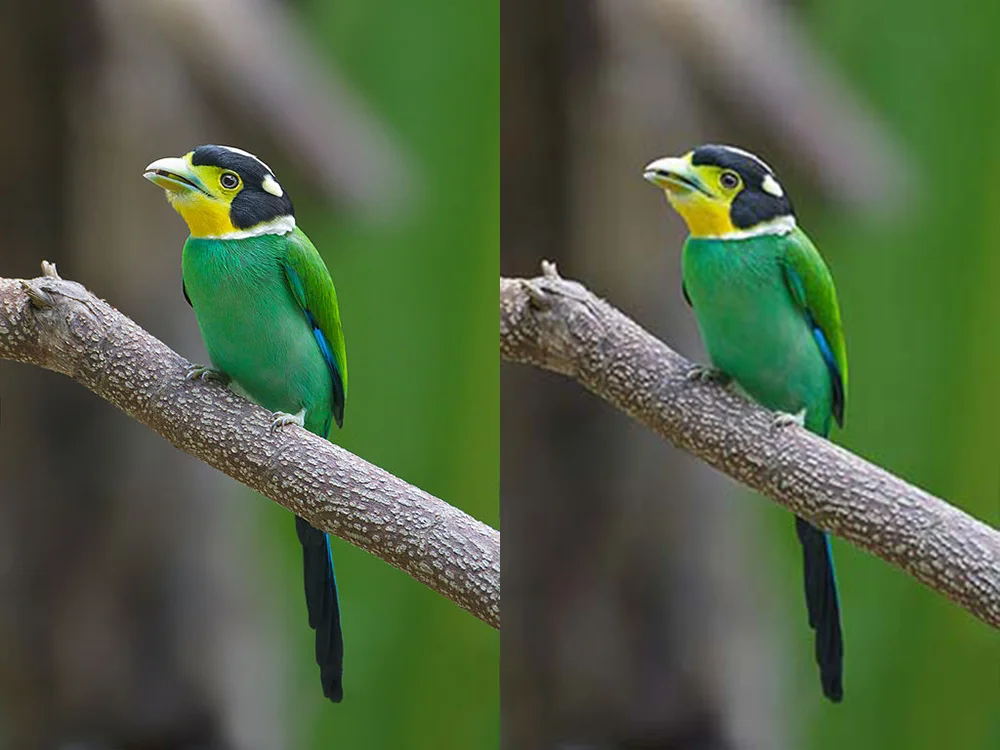
JPEG solves the compression problem for continuous-tone still images: photos, scans, real-world scenes, and images with natural gradients. It lets software choose a tradeoff between file size and visual quality. Higher quality means a larger file; stronger compression means a smaller file, but artifacts become easier to see.
That tradeoff matched digital cameras and the web. Cameras needed to store photos on limited media, web pages needed to load images quickly, and email or chat needed smaller attachments. JPG was not perfect, but it helped move photos from specialized equipment into ordinary computers, browsers, and phones.
5. Why both JPG and JPEG exist
JPEG is the standard and format name. .jpg and .jpeg are common filename extensions for the same kind of image. .jpg became common largely because older Windows and MS-DOS systems commonly used three-character filename extensions, so .jpeg was shortened.
Today, most systems recognize both. Renaming photo.jpeg to photo.jpg usually does not change the image data. The real quality and size decisions happen when the image is saved: compression quality, pixel dimensions, color handling, and metadata.
6. Should you still use JPG today?
If the image is a photo and the goal is web publishing, email, product previews, or social sharing, JPG is still practical. It is compatible, easy to size, and supported by almost every browser, gallery, camera, and editor.
Use more care for transparent images, small text, interface screenshots, icons, or files that will be saved and edited many times. PNG or WebP is often better for transparency; WebP or AVIF may be better for modern web size optimization; and if you need original capture data, keep the RAW or lossless original before exporting a JPG copy.